
The Medical Layer Investors Skip When Funding Longevity and Performance Programs
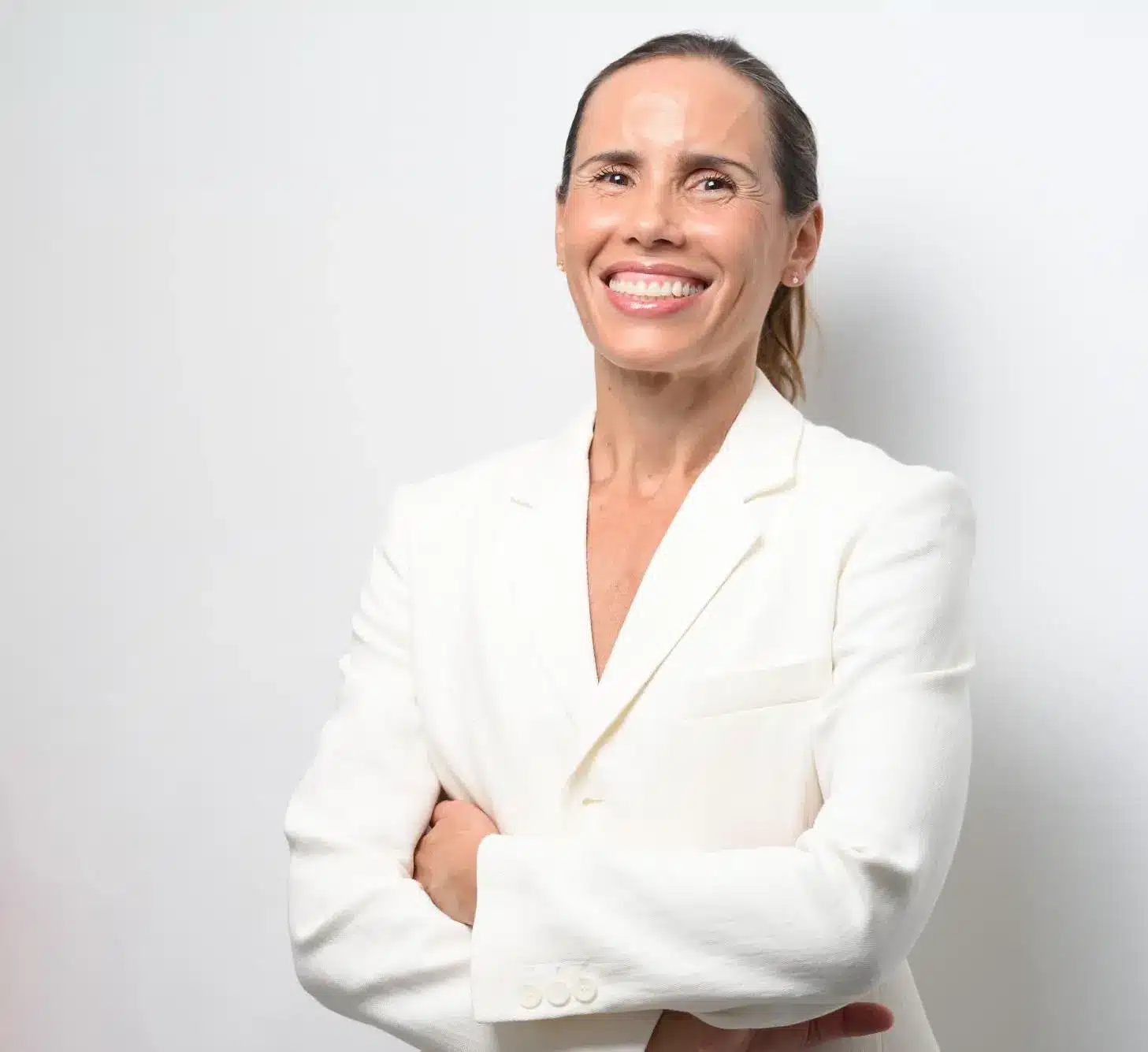
Medical Strategy & Clinical Leadership
MD, PhD in Molecular Diagnostics (Cum Laude), with over 27 years of clinical practice in precision, regenerative, functional, and integrative medicine. She is Chief Scientific Officer at Longevity.Tech.fund and Chief Medical Officer at HealthyLongevity.clinic.
For a sports-performance longevity clinic business model, this medical layer is the difference between a fundable program and a liability.
Cristiano Ronaldo is 41 and still performing at the highest level, making him an obvious benchmark for clubs trying to extend athletic careers. But elite longevity is not a protocol that can simply be copied.
The Same Pattern in Every New Performance Program
Sports organizations presenting new performance programs almost always lead with an impressive first slide: wearables, scans, recovery tools, and biomarker tracking.
What a Device Can and Cannot Tell You
The real attention needs to go elsewhere. A device can tell you that something changed. It cannot tell you whether that change is normal for this specific athlete, a sign of overload, or something that needs medical attention.
Why That Judgment Is Where the Real Value Sits
That judgment – distinguishing normal variation from a genuine medical signal – is where the real value in a performance program actually sits, not in the volume of data being collected.
What Investors Are Actually Funding
For an investor, this matters directly: the investment is not only in technology, it is in a system that will make decisions about people’s health. If the medical layer is weak, adding more data only creates more uncertainty rather than more clarity.
What to Look at Before a Sports Program Gets More Capital
The evaluation before more capital goes into a sports performance program should cover whether the underlying science is sound and whether the medical oversight is clear.
The Question That Matters Most: What Happens at the Handoff
It should also cover whether the team knows what to do when the data stops being about performance and starts being about a health concern.
The Difference Between an Impressive Deck and a Program Built to Last
That combination – sound science, clear medical oversight, and a defined response when data crosses from performance into health territory – is often the actual difference between an impressive deck and a program built to last.
Frequently Asked Questions
Why can't elite athlete longevity, like Cristiano Ronaldo's career, simply be copied as a protocol?
Because being a benchmark for extended performance does not mean the underlying approach is a repeatable protocol – elite longevity outcomes depend on individualized medical judgment, not just adopting the same tools or tracking.
What can wearables and biomarker tracking tell you, and what can't they tell you?
A device can tell you that something changed. It cannot tell you whether that change is normal for that specific athlete, a sign of overload, or something requiring medical attention – that judgment requires a clinician, not just data.
Why does weak medical oversight make more performance data worse, not better?
Because an investor is funding a system that makes decisions about people’s health. Without strong medical oversight to interpret it correctly, more data only adds uncertainty rather than clarity.
What should be evaluated before more capital goes into a sports performance program?
Whether the underlying science is sound, whether medical oversight is clear, and whether the team knows what to do when the data stops being about performance and starts being about a health concern.
What actually separates an impressive sports performance pitch from a durable program?
Sound science combined with clear medical oversight and a defined response plan for when data crosses from a performance signal into a genuine health concern.