KNOWLEDGE HUB

The TURN8 Knowledge Hub provides practical insights, frameworks, and tools for corporate innovators, venture builders, and startup leaders in the GCC’s innovation ecosystem.

We draw on our experience of launching over 120 ventures and managing innovation programs worldwide.

Discovery & Thesis

From Strategic Intent to Venture Decisions: A Phase-One Operating System

These guides demonstrate how TURN8 progresses from leadership intent and strategic beliefs to targeted opportunity exploration, early validation, and clear go, hold, or stop decisions. This process occurs before committing capital, teams, or development effort. The guides promote disciplined decision-making under uncertainty by encouraging bold action when supported by evidence and restraint when it is not.

How to Run Strategic Alignment Before Venture Discovery

How to Run Strategic Alignment Before Venture Discovery

Build a Venture

How to Build a Venture or Investment Thesis

UAE startup ecosystem

How to Map Markets and White Space Without Over-Engineering

How to Define the Right Venture Challenge Statement

How to Define the Right Venture Challenge Statement

Venture Domains

How to Define Venture Domains That Create Focus

GCC Innovation Insights

How to Translate Strategic Intent into Testable Opportunity Areas

AI transformation consulting for SMEs

How to Run Early Validation Without Building Anything

Venture Domains

How to Avoid Innovation Theater in the First 90 Days

Healthcare and Life Sciences

Who Belongs in the Discovery & Thesis Phase (and Who Doesn’t)

Financial Services and FinTech

How to Design Phase-One Governance for Venture Decisions

invest in Saudi startups

How to Run Go / Hold / Stop Decisions Without False Certainty

new venture creation for corporations

What “Ready to Greenlight” Actually Means in Phase One

Industrial Manufacturing and Advanced Materials

How Discovery & Thesis Phase Should End (and What Comes Next)

Validation & Design

From Customer Evidence to Investment-Ready Ventures: A Phase-Two Operating System

These guides show how TURN8 transforms validated pain points and strategic direction from Phase One (Discovery & Thesis) into evidence-backed ventures that are ready for capital, teams, and build commitment. The validation and design phase is where belief becomes proof. Teams move from hypothesis to structured customer interviews, from concepts to tested prototypes, from assumptions to stress-tested financial models, and from momentum to a formal Go / No-Go decision. Every guide in this phase is designed to generate the right evidence at the right time.

AI-Powered Customer Discovery Interviews

Guide A1. How to Conduct AI-Powered Customer Discovery Interviews

validated customer pain

Guide A2. How to Validate Problem-Solution Fit Without Building Anything

Synthesize Customer Insights

Guide A3. How to Synthesize Customer Insights and Demand Signals

MVP Specification

Guide B1 · How to Design Your MVP Specification in a Corporate Venture Context

Rapid Prototyping

Guide B2 · How to Run Rapid Prototyping and Solution Validation Sessions

Configure AI Studio

Guide B3 · How to Configure AI Studio Agents and Automate Workflows

Business Model

Guide C1 · How to Stress-Test Your Business Model and Unit Economics

Build Financial Projections

Guide C2 · How to Build Financial Projections and Capital Requirements

corporate-startup partnership Saudi Arabia

Guide C3 · How to Design Your Go-To-Market Strategy from Customer Zero to Scale

Go / No-Go decision

Guide D1 · How to Design and Run a Go / No-Go Decision Framework

CVC Deal Pipeline

Guide D2 · How to Screen, Score, and Curate a CVC Deal Pipeline

Investment-Ready Venture Package

Guide D3· How to Prepare an Investment-Ready Venture Package

Build & Launch

From Committed Capital to Operating Ventures: A Phase-Three Operating System

These guides show how TURN8 takes an investment-ready venture with a deployed team, committed capital, and a Phase Two evidence-based approach, and builds it into an operating business with real customers, a live product, and a board-ready performance record. Phase Three is where commitment meets execution. Teams move from sprint planning to pilot-ready MVPs, from pilot evidence to first paying customers, from AI agent specifications to live production deployments, and from monthly milestone reviews to quarterly board packs that confidently request the next tranche. Every guide in this phase is designed to generate operating evidence that either justifies continued investment or reveals specific learning that redirects it. Bold execution is the standard, and the governance infrastructure built in Phase Three ensures speed and accountability move together.

Guide E1. How to Deploy and Onboard Your Venture Team

Guide E2. How to Build Your Venture Operating Rhythm and Governance Cadence

Guide E3. How to Activate Corporate Resources, Data, and Distribution

Guide F1. How to Run a Structured Product Development Sprint Toward an Investable MVP

Guide F1. How to Run a Structured Product Development Sprint Toward an Investable MVP

Guide F2. How to Design and Execute a Pilot Program That Generates Investable Evidence

Guide F3. How to Acquire Your First Customers and Build the Customer Zero Playbook

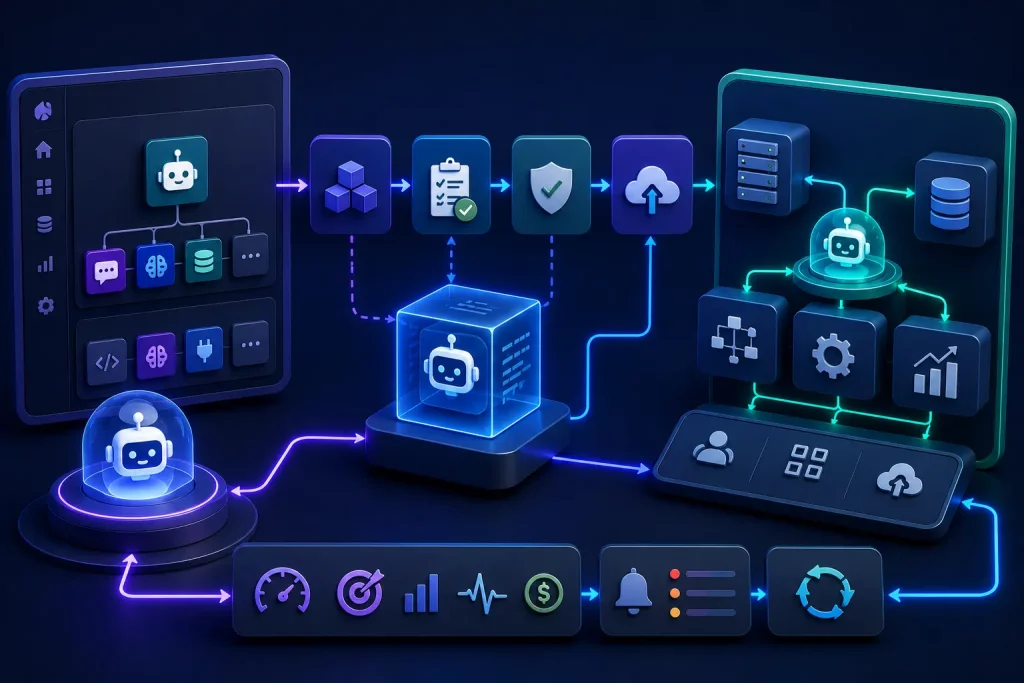
Guide G1. How to Deploy AI Studio Agents into Live Production Operations

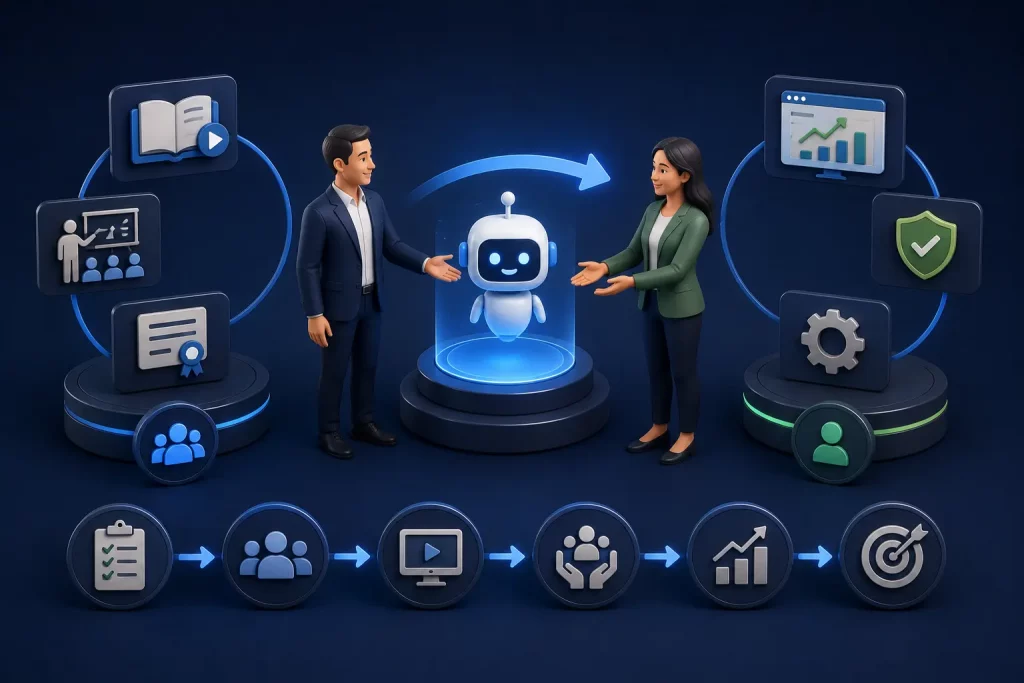
Guide G2. How to Enable Users and Hand Over AI Agent Operations to the Business

Guide F1. How to Run a Structured Product Development Sprint Toward an Investable MVP

Guide G3. How to Monitor, Optimize, and Report on AI Agent Performance

Guide H1. How to Execute CVC Investment and Onboard a Venture into the Portfolio

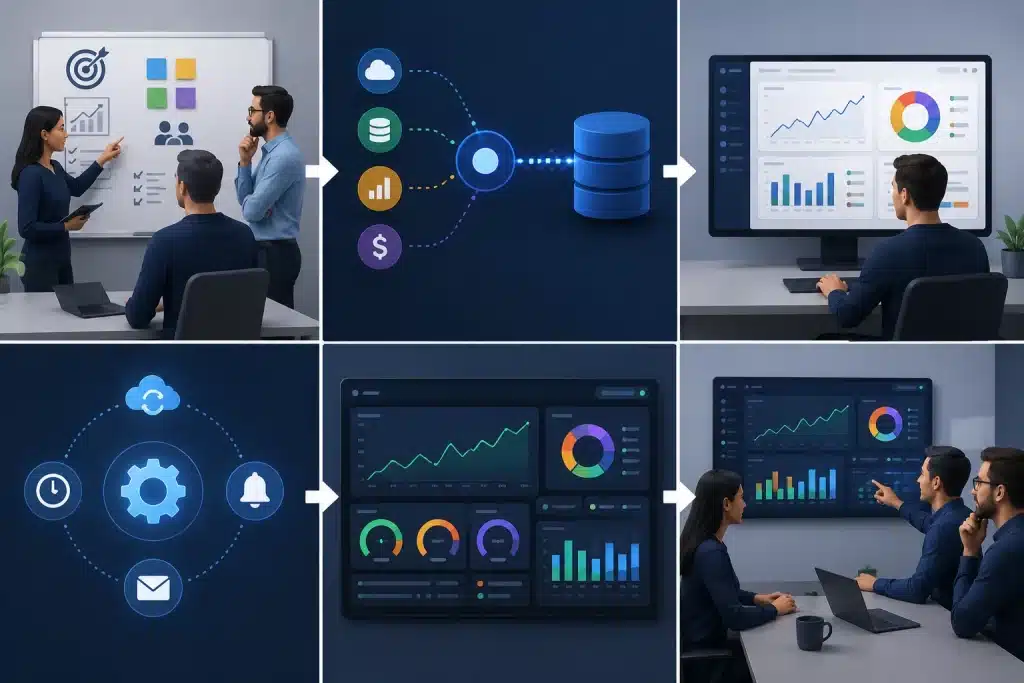
Guide H2. How to Build and Operate a Live Venture Performance Dashboard

Guide H3. How to Prepare and Deliver Quarterly Board Reporting Materials

Validation & Design

From Customer Evidence to Investment-Ready Ventures: A Phase-Two Operating System

These guides show how TURN8 transforms validated pain points and strategic direction from Phase One (Discovery & Thesis) into evidence-backed ventures that are ready for capital, teams, and build commitment. The validation and design phase is where belief becomes proof. Teams move from hypothesis to structured customer interviews, from concepts to tested prototypes, from assumptions to stress-tested financial models, and from momentum to a formal Go / No-Go decision. Every guide in this phase is designed to generate the right evidence at the right time.

AI-Powered Customer Discovery Interviews

Guide A1. How to Conduct AI-Powered Customer Discovery Interviews

validated customer pain

Guide A2. How to Validate Problem-Solution Fit Without Building Anything

Synthesize Customer Insights

Guide A3. How to Synthesize Customer Insights and Demand Signals

MVP Specification

Guide B1 · How to Design Your MVP Specification in a Corporate Venture Context

Rapid Prototyping

Guide B2 · How to Run Rapid Prototyping and Solution Validation Sessions

Configure AI Studio

Guide B3 · How to Configure AI Studio Agents and Automate Workflows

Business Model

Guide C1 · How to Stress-Test Your Business Model and Unit Economics

Build Financial Projections

Guide C2 · How to Build Financial Projections and Capital Requirements

corporate-startup partnership Saudi Arabia

Guide C3 · How to Design Your Go-To-Market Strategy from Customer Zero to Scale

Go / No-Go decision

Guide D1 · How to Design and Run a Go / No-Go Decision Framework

CVC Deal Pipeline

Guide D2 · How to Screen, Score, and Curate a CVC Deal Pipeline

Investment-Ready Venture Package

Guide D3· How to Prepare an Investment-Ready Venture Package

Discovery & Thesis

From Strategic Intent to Venture Decisions: A Phase-One Operating System

These guides demonstrate how TURN8 progresses from leadership intent and strategic beliefs to targeted opportunity exploration, early validation, and clear go, hold, or stop decisions. This process occurs before committing capital, teams, or development effort. The guides promote disciplined decision-making under uncertainty by encouraging bold action when supported by evidence and restraint when it is not.

How to Run Strategic Alignment Before Venture Discovery

How to Build a Venture or Investment Thesis

How to Map Markets and White Space Without Over-Engineering

GCC Innovation Insights

How to Define the Right Venture Challenge Statement

Venture Building Tools

How to Define Venture Domains That Create Focus

How to Translate Strategic Intent into Testable Opportunity Areas

How to Run Early Validation Without Building Anything

Venture Building Tools

How to Avoid Innovation Theater in the First 90 Days

Who Belongs in the Discovery & Thesis Phase (and Who Doesn’t)

How to Design Phase-One Governance for Venture Decisions

How to Run Go / Hold / Stop Decisions Without False Certainty

What “Ready to Greenlight” Actually Means in Phase One

How Discovery & Thesis Phase Should End (and What Comes Next)

How to Run Strategic Alignment Before Venture Discovery

How to Build a Venture or Investment Thesis

How to Map Markets and White Space Without Over-Engineering

GCC Innovation Insights

How to Define the Right Venture Challenge Statement

Venture Building Tools

How to Define Venture Domains That Create Focus

How to Translate Strategic Intent into Testable Opportunity Areas

How to Run Early Validation Without Building Anything

Venture Building Tools

How to Avoid Innovation Theater in the First 90 Days

Who Belongs in the Discovery & Thesis Phase (and Who Doesn’t)

How to Design Phase-One Governance for Venture Decisions

How to Run Go / Hold / Stop Decisions Without False Certainty

What “Ready to Greenlight” Actually Means in Phase One

How Discovery & Thesis Phase Should End (and What Comes Next)

JOIN OUR NEWSLETTER

Frequently Asked Questions

What is the TURN8 Knowledge Hub?

The TURN8 Knowledge Hub is a curated library of frameworks, insights, and practical guides designed to help corporates, startups, and investors make better venture-building decisions in Saudi Arabia and the GCC. It focuses on strategy, validation, and innovation execution.

The Knowledge Hub is ideal for Saudi corporate leaders, government entities, startup founders, and investors. It is specifically designed for those looking to build, validate, or scale innovation ecosystems aligned with Vision 2030 and regional economic goals.

Our Phase One “Discovery & Thesis” guides provide step-by-step guidance from defining strategy and identifying opportunities to early validation and go/no-go decisions—helping organizations reduce risk and make evidence-based investment decisions.

Yes. Our Phase Two “Validation & Design” guides focus on turning validated concepts into investment-ready ventures. Resources include how to design MVP specifications, conduct AI-powered customer discovery, and stress-test unit economics.

Yes, it offers valuable insights into market validation, strategic positioning, and decision-making frameworks, making it highly useful for startups planning to enter and scale in Saudi Arabia.

Scroll to Top

How to Run Strategic Alignment Before Venture Discovery

This guide outlines how to achieve strategic alignment before starting discovery work. It emphasizes clarifying leadership intent, non-negotiable constraints, success criteria, and decision ownership to ensure exploration is purposeful. The aim is clarity, not consensus, so that the Discovery & Thesis phase operates within defined boundaries and produces decisions leadership can support.

How to Build a Venture or Investment Thesis

This guide presents the venture or investment thesis as a decision filter instead of a narrative. It explains how to define strategic beliefs, playing fields, exclusions, and risk horizons before selecting problems, ensuring a focused and coherent discovery process. A strong thesis limits opportunistic exploration and advances only those opportunities that align with strategic intent and risk appetite.

How to Map Markets and White Space Without Over-Engineering

This guide offers a streamlined approach to market and white-space mapping that supports informed decision-making without added complexity. It highlights market structure, competitive dynamics, frictions, and value leakage to identify meaningful opportunities without excessive analysis.

How to Define the Right Venture Challenge Statement

This guide shows how to frame venture challenges that are specific, consequential, and testable. It explains how TURN8 translates strategy into challenge statements that focus teams on the right unknowns and prevent solution-led or politically protected initiatives.

How to Define Venture Domains That Create Focus

This guide explains how TURN8 defines venture domains to focus learning and prevent fragmentation. It shows how to constrain the search space, exclude adjacent areas, and limit parallel exploration so discovery produces signals, not noise.

How to Translate Strategic Intent into Testable Opportunity Areas

This guide explains how broad intent becomes discrete opportunity areas that can be compared and tested. It ensures opportunities are framed without solutions, kept consistent in scope, and linked to clear assumptions. This makes prioritization and decision-making possible.

How to Run Early Validation Without Building Anything

This guide shows how TURN8 tests the hardest assumptions early with lightweight validation methods. It emphasizes defining pass/fail criteria upfront, choosing the minimum credible test, and closing each cycle with a decision before committing resources to build.

How to Avoid Innovation Theater in the First 90 Days

This guide focuses on preventing activity without progress. It defines real learning in the Discovery & Thesis phase, limits artifacts and workshops, enforces timeboxing, and ensures every action is tied to a decision, keeping momentum grounded in evidence.

Who Belongs in the Discovery & Thesis Phase (and Who Doesn’t)

This guide explains how TURN8 structures Phase One teams for speed and clarity. It defines essential roles, limits stakeholder involvement, and separates learning from delivery so early exploration stays focused and decision-driven.

How to Design Phase-One Governance for Venture Decisions

This guide explains how TURN8 designs governance for uncertainty. It defines decision rights, cadence, inputs, and accountability so the Discovery & Thesis phase produces real go, hold, or stop outcomes instead of prolonged discussion or deferred responsibility.

How to Run Go / Hold / Stop Decisions Without False Certainty

This guide explains how TURN8 makes clear decisions under uncertainty without waiting for perfect data. It covers how evidence is assessed, how “hold” decisions are limited, and why stopping early is sometimes necessary.

What “Ready to Greenlight” Actually Means in Phase One

This guide clarifies what TURN8 means by greenlighting an initiative. It defines readiness as having enough evidence on the right unknowns, not full certainty, and ensures escalation decisions are staged, reversible, and explicitly conditioned.

How Discovery & Thesis Phase Should End (and What Comes Next)

This guide explains how TURN8 formally closes the Discovery & Thesis phase. It ensures outcomes are classified, learnings captured, governance reset, and only initiatives with clear conviction move forward, so the Validation and Design phase starts with clarity.

Guide A1. How to Conduct AI-Powered Customer Discovery Interviews

This guide enables teams to design, schedule, and conduct structured customer discovery interviews using AI-generated question sets and real-time insight analysis. It addresses the most common failure in early-stage ventures: teams that believe they already understand the customer and skip the work that would prove otherwise. The guide covers everything from recruiting the right interviewees and assigning interview roles to using silence as a tool, capturing verbatim evidence, and synthesizing findings into a validated insight report. By the end, teams will have spoken with 15-30 target customers and will know with confidence whether the problem identified in Phase One is real, urgent, and worth solving.

Guide A2. How to Validate Problem-Solution Fit Without Building Anything

This guide teaches teams to test whether a proposed solution genuinely resolves a validated customer pain — before writing a single line of code or committing any capital. Using paper or digital prototypes, structured concept-testing sessions, willingness-to-pay experiments, and fake door validation, teams generate meaningful demand signals in under two weeks. The guide also introduces the $100 spending exercise, which reveals which pain points customers prioritize when forced to choose. The output is a Problem-Solution Fit Assessment that either authorizes the team to proceed with MVP design or triggers a deliberate pivot before anything expensive is built.

Guide A3. How to Synthesize Customer Insights and Demand Signals

Raw interview data does not drive decisions — organized, prioritized, and clearly communicated insight does. This guide takes the outputs from Guides A1 and A2 and transforms them into a structured Customer Insight Report and a prioritized Demand Signal Dashboard. Teams learn how to calculate a Demand Signal Score for each interviewed customer, identify the highest-priority segment, and formally close every Phase One hypothesis with a Validated, Partially Validated, or Invalidated status. These outputs become the evidentiary foundation for all downstream decisions in Phase Two, including MVP specification, business model design, and the final investment case

Guide B1 · How to Design Your MVP Specification in a Corporate Venture Context

In a corporate venture context, an MVP is not a product — it is a learning vehicle designed to test the riskiest assumption about the business model. This guide walks teams through a disciplined process: translating customer insight into a prioritized feature set, defining firm boundaries on what the MVP will and will not include, and producing a specification that engineers, investors, and executive sponsors can all read and approve. The process centers on identifying the single assumption that, if wrong, would cause the venture to fail — and ensuring the MVP is designed specifically to test it. The output is a signed MVP Specification Document, obtained before a single line of code is written.

Guide B2 · How to Run Rapid Prototyping and Solution Validation Sessions

Catching design problems at the prototype stage costs far less than fixing them in a live product. This guide walks teams through a structured process: building a clickable prototype from the approved MVP Specification, running 8–12 structured validation sessions with real target users, and iterating based on observed behavior rather than stated preference. The guide emphasizes the discipline of testing without guiding — facilitators do not explain, suggest, or rescue participants who are struggling. A task completion rate above 80% across core use cases is the benchmark for readiness. The output is a Usability and Validation Report with a clear recommendation to build, iterate, or stop.

Guide B3 · How to Configure AI Studio Agents and Automate Workflows

AI Studio agents are not features — they are configurable systems that can automate research, analysis, customer interaction, and internal operations across a venture's core workflows. This guide teaches teams to map their processes, identify which tasks are genuine automation candidates (high-frequency, low-complexity), design agent specifications, write system prompts, and validate agents against a 50-input test set that includes standard, edge, and adversarial cases. The guide also covers escalation protocol design: defining exactly when an AI agent should stop and hand off to a human. For any corporate venture deploying AI Studio, this is the primary operational reference for Phase Two.

Guide C1 · How to Stress-Test Your Business Model and Unit Economics

A business model that cannot survive a structured afternoon of challenge is not ready for capital. This guide teaches venture teams to systematically break their own business models before investors or market forces do. Teams calculate unit economics from evidence — not optimism — using metrics such as CAC, LTV, LTV:CAC ratio, gross margin, and CAC payback period. They then model three scenarios (base, pessimistic, optimistic), identify kill scenarios that would render the venture unviable, and document mitigations for each. The output is a Business Model Health Report: a credible, audit-ready document that forms the financial foundation of the investment case.

Guide C2 · How to Build Financial Projections and Capital Requirements

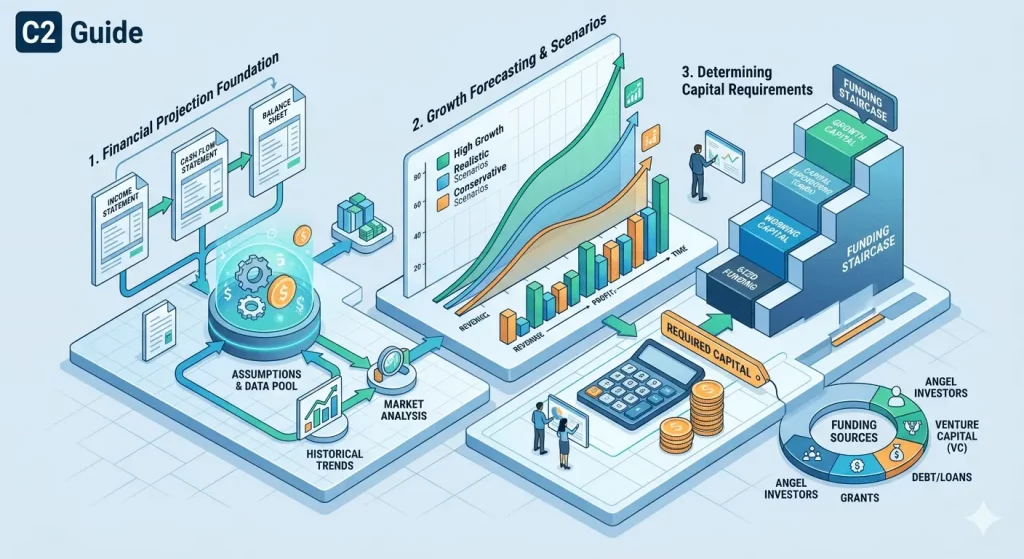
Financial projections earn credibility through their inputs, not their outputs. This guide builds on stress-tested unit economics to produce a 36-month bottom-up financial model, a structured capital requirements statement, and a milestone-tied funding tranche plan. Teams learn how to model revenue customer by customer in Year 1, apply realistic churn assumptions from Month 3, and structure capital in tranches that are each linked to a specific, verifiable milestone — not to a calendar date. The output is a Financial Projection Package that investment committees and corporate sponsors can interrogate, challenge, and ultimately approve.

Guide C3 · How to Design Your Go-To-Market Strategy from Customer Zero to Scale

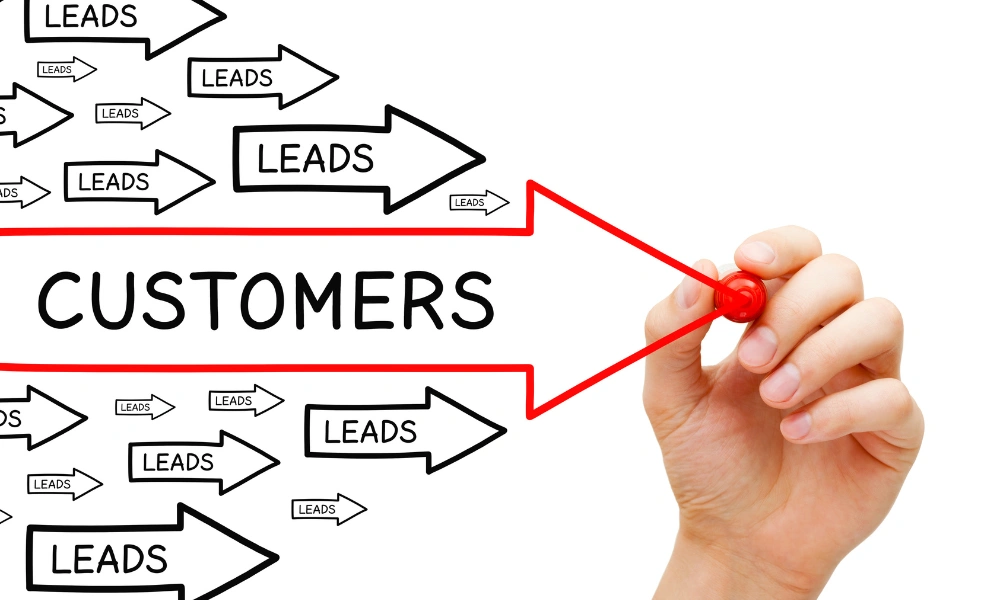
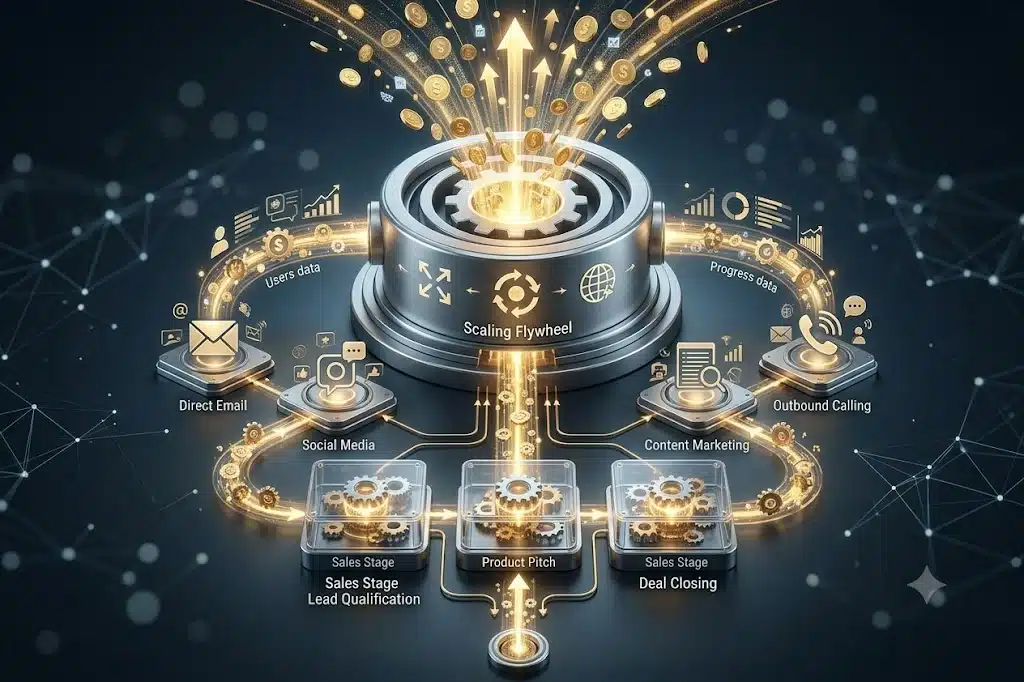
A go-to-market strategy answers one question precisely: how does this venture get from its first customer to a repeatable, scalable commercial engine, and in what sequence? This guide covers the five components of a complete GTM strategy — Customer and Buying Center definition, geographic sequencing, channel design using a 1-to-10-to-100 framework, commercial milestone mapping, and revenue model alignment. It also introduces the Customer Zero Plan: a list of five specific named companies, each with a contact, a personalized pain description, and a tailored outreach message. The output is a GTM Strategy Document that provides investors and sponsors with a clear, evidence-based commercial roadmap.

Guide D1 · How to Design and Run a Go / No-Go Decision Framework

A Go / No-Go decision is not a presentation — it is a structured governance event with defined criteria, decision rights, and enforceable consequences. This guide provides venture programs with a framework for conducting Phase Gate reviews that produce clean, defensible decisions: no soft greenlights, no paused initiatives, and no decisions that dissolve under organizational pressure. Criteria are set two weeks before the review. Evidence is submitted five days in advance. The venture team presents, then leaves the room while decision-makers deliberate. The output is a signed Phase Gate Decision Record that formally closes Phase Two, either authorizing progression to Phase Three or issuing a Stop with documented rationale.

Guide D2 · How to Screen, Score, and Curate a CVC Deal Pipeline

CVC programs generate significant deal flow. The challenge is not volume — it is extracting the small number of opportunities that are both financially promising and strategically aligned. This guide provides CVC teams with an AI-enhanced pipeline screening system: a standardized intake form, a six-dimensional scoring model with defined pass and advance thresholds, a structured weekly triage process, and an Investment Committee dashboard. The guide eliminates the informal, relationship-driven assessments that allow weak deals to advance and strong ones to stall. The output is a ranked, investment-ready deal pipeline and an AI-assisted scoring system that brings consistency and rigor to early-stage screening decisions.

Guide D3· How to Prepare an Investment-Ready Venture Package

The investment package is not a summary of Phase Two — it is the complete, organized presentation of everything a venture has produced, assembled in the format that allows an investment committee, corporate board, or strategic partner to make a funding decision with confidence. This guide walks teams through building a one-page Executive Summary, a 12-slide pitch deck with defined content requirements for every slide, a three-tab financial model, and a structured evidence appendix that traces every claim back to a specific Phase Two deliverable. Every element of the package is AI stress-tested before submission. This is the final deliverable of Phase Two and the opening document of Phase Three.

Guide E1. How to Deploy and Onboard Your Venture Team

This guide helps teams move a signed Phase Gate Decision Record to a fully operational team in 5–10 business days. Covers the four-tier team structure, six-stage behavioral screening with Predictive Index assessment, three compensation models (spin-in / phantom equity / spin-out), mandate letters with explicit decision rights, the Phase Two knowledge handover session, and the 30-day sprint plan. Sets up AI Studio deployment readiness for G1–G3 and CVC investment team activation for H1.

Guide E2. How to Build Your Venture Operating Rhythm and Governance Cadence

This guide builds on the deployed team from E1 to create the accountability infrastructure that keeps the venture moving. It covers the seven-tier operating cadence, Venture Board governance with a named Team Sponsor, the financial workstream with weekly burn rate monitoring and a 90-day runway escalation trigger, metrics frameworks at both program and venture level, the technology stack, and the Day 30 board update format. For CVC tracks: IC governance, Director vs Observer seat decision, deal lifecycle management, and fund back-office setup.

Guide E3. How to Activate Corporate Resources, Data, and Distribution

The guide converts the corporate backing established in E1 and E2 into operational advantage before the build begins. It covers the seven-category Corporate Asset Activation Map, the Asset Activation Session that turns sponsor promises into written commitments, the data readiness sprint, five antibody resistance patterns and their resolutions, and the pilot commitment framework. Feeds directly into F1 (data and distribution as build inputs) and F2 (BU co-design for pilots with strategic mandate requirements).

Guide F1. How to Run a Structured Product Development Sprint Toward an Investable MVP

This guide translates the Phase Two MVP specification into a build cycle designed to generate evidence, not just ship features. It covers sprint alignment on the riskiest remaining assumption, the Build-Measure-Learn loop, scope lock, parallel Track A (product/UX) and Track B (AI/model) for AI-enabled ventures, weekly Go/Hold/Stop checkpoints, and the Sprint Completion Report. The off-the-shelf API first rule and MVM concept prevent premature AI infrastructure investment. Output feeds F2 (pilot-ready product) and G1 (agent deployment readiness).

Guide F2. How to Design and Execute a Pilot Program That Generates Investable Evidence

Takes the pilot-ready product from F1 and runs a structured experiment designed backwards from the investment memo. Covers the Pre-Pilot Investment Hypothesis, Pilot Design Canvas, three pilot types matched to venture context, the eight-metric Pilot Metrics Dashboard, hard governance gates at week 4 and week 8, and the Pilot Evidence Report. Output is a Go or Stop recommendation that anchors the Tranche 2 capital request in H3 and feeds customer conversion in F3.

Guide F3. How to Acquire Your First Customers and Build the Customer Zero Playbook

Takes the GTM strategy from Phase Two and the pilot participants from F2 and closes the first 1–10 paying or committed customers. Covers Buying Center mapping across six roles, a three-stage acquisition plan, the micro-commitment ladder, four contract structures, the Pause-Probe-Provide-Prove objection framework, and six commercial milestones. Output is the Customer Zero Playbook — the documented sales motion that growth operators can scale — and the commercial evidence that feeds H1 (CVC tranche conditions) and H3 (board reporting).

Guide G1. How to Deploy AI Studio Agents into Live Production Operations

Takes the agent specification from B3 and the deployment readiness confirmed in E1 Step 9, and executes the production go-live. Covers the 15-item readiness checklist, AI governance and data localization compliance (a hard stop before customer-facing deployment), production environment configuration, five-phase phased rollout, three-tier live escalation protocol, the 48-hour monitoring window, and the rollback framework. Produces the Go-Live Report that G2 and G3 require before starting.

Guide G2. How to Enable Users and Hand Over AI Agent Operations to the Business

Takes the stable production deployment from G1 and transfers operational ownership to the business unit. Covers resistance management using five antibody patterns, adoption metrics, role-based user onboarding including AI literacy and data safety, the Human-in-the-Loop protocol, the eight-section Operational Handover Document, a supervised transition period with five readiness gate tasks, the three-level post-handover support model, and the Handover Acceptance Certificate. The Operate-to-Transfer principle governs the long-term relationship.

Guide G3. How to Monitor, Optimize, and Report on AI Agent Performance

Begins on the first day of stable production and runs for the life of the agent. Covers weekly monitoring of eight metrics with threshold and trend analysis, four-type drift classification, the monthly performance review, the prompt iteration protocol (version-controlled, safety-tested, covering all prompt units), the three-condition custom model training gate, the quarterly Venture Board report section that feeds H3, and the six-signal retirement framework. The ongoing operations loop that keeps agent performance connected to the investment case.

Guide H1. How to Execute CVC Investment and Onboard a Venture into the Portfolio

The guide takes an IC-approved deal through legal close to a fully onboarded portfolio company. It covers the IC meeting format and 3/5 vote threshold, legal close sequencing with phase timing benchmarks and six strategic mandate terms to pursue, first tranche release mechanics (evidence package, Close Owner recommendation, Partner/MD authorization, IFRS 13 NAV entry), portfolio operational setup within 5 business days, and the 90-day onboarding plan anchored by a signed Expectations Alignment Record. The Operate-for → Operate-with → Build-to-own model frames the long-term operating relationship.

Guide H2. How to Build and Operate a Live Venture Performance Dashboard

The guide duilds the single data source from which E2 cadence events, F series milestones, G3 agent metrics, and H3 board packs all draw. It covers scope decisions, tool selection, data source integration for five metric categories, a three-view architecture (Operational for EIR, Trend for Sponsor, Board Scorecard for Board), Green/Amber/Red thresholds, an eight-role permissions model, data resilience, metric definition version control, and the H3 data lock handoff timeline. For CVC tracks: portfolio metrics integration and the distinction between build-and-launch ventures and externally operated portfolio companies.

Guide H3. How to Prepare and Deliver Quarterly Board Reporting Materials

The guide assembles the evidence produced by all preceding guides into the quarterly board pack that requests the next capital tranche. It covers the 15-business-day production cycle, the three-question discipline, the seven-section pack drawn from locked H2 data, four negative result disclosure approaches, the three-test forward commitment discipline, the evidence-to-ask capital request sequence, four investment decision types (standard tranche, follow-on, write-down, strategic process), board meeting conduct, and the Decision Record completed before the meeting closes. For CVC tracks: IPEV/IFRS 13 audit trail, valuation change explanation, and the Portfolio Board Pack Annex for multi-company portfolios.