
Why Most Longevity Interventions Don't Survive Past Week 6
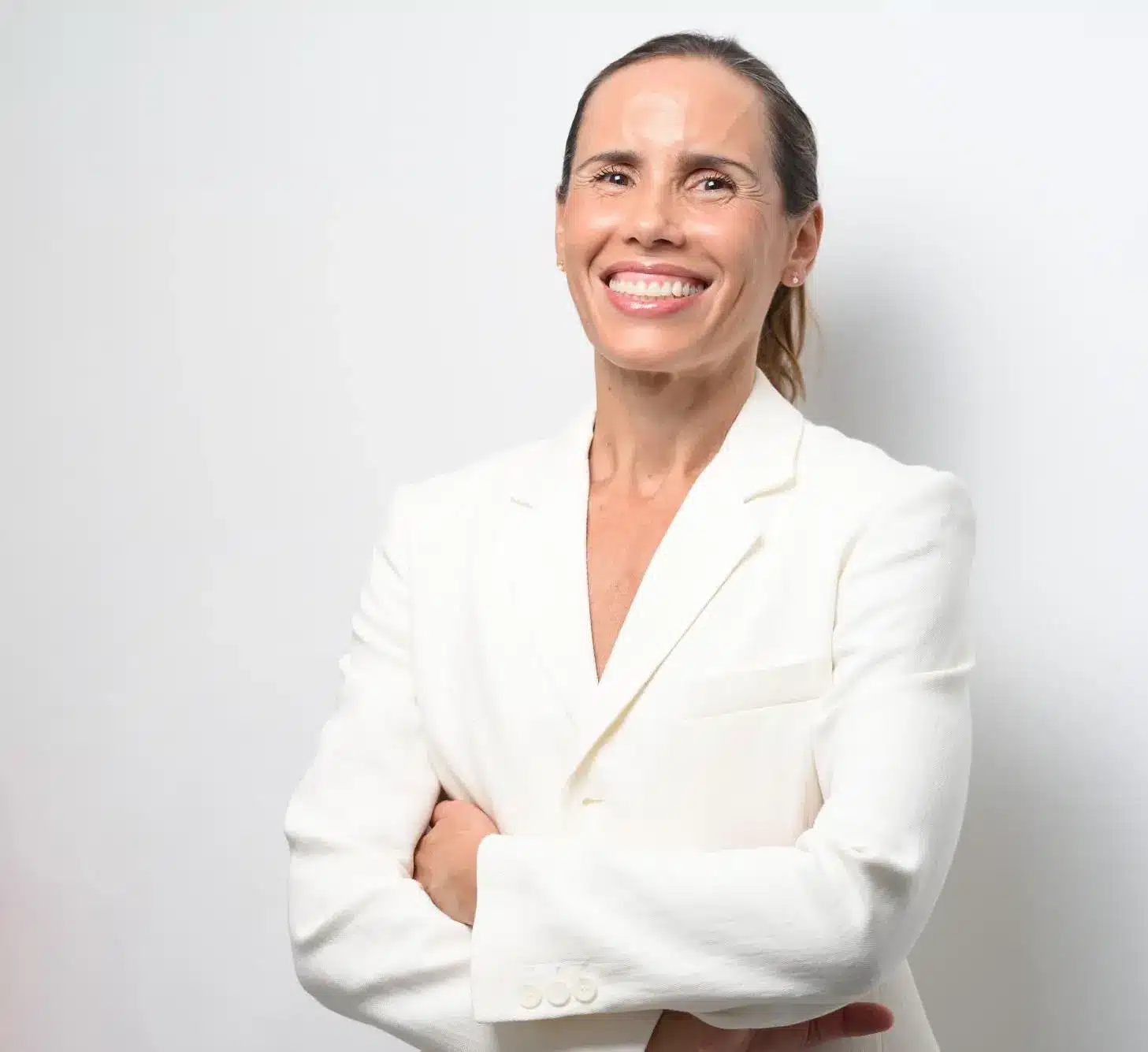
Medical Strategy & Clinical Leadership
MD, PhD in Molecular Diagnostics (Cum Laude), with over 27 years of clinical practice in precision, regenerative, functional, and integrative medicine. She is Chief Scientific Officer at Longevity.Tech.fund and Chief Medical Officer at HealthyLongevity.clinic.
Anyone running a longevity clinic business model needs an honest answer to what happens after week 6, not just what happens at intake.
Saudi Arabia’s most interesting longevity investment may be 10 billion steps. The Kingdom set a national target last month to reach by December, counting movements people already make, through an office, a school, a building.
What Most Longevity Pitches Get Right
Most interventions shown to investors – diagnostics, recovery technology, wearables, treatments – have sound underlying science. That is rarely where the real evaluation work needs to happen.
What Happens After the Guest Leaves
The pattern that repeats across hospitality and sports settings: the guest leaves, the athlete leaves, and very little of the intervention survives the journey home.
The Question That Actually Predicts Success
What matters is what is still happening in week 6, without the building the intervention was delivered in.
Three Tests for Week-6 Survival
Does it require the person to find new time, or use time they already spend? Does it work without the facility? Does it continue when nobody is watching?
Judging Scientific Validity Isn't Enough
The work is judging what is scientifically valid, clinically relevant, and realistic to implement – and that last part, realistic implementation, is where most projects fall over, not the underlying science.
Why Movement That's Already Built Into Daily Life Works Differently
Saudi Arabia’s 10 billion steps target counts movement people already make, through everyday environments like an office, a school, or a building – it does not ask people to find new time or new behavior, which is precisely the design principle that predicts an intervention will still be running in week 6.
The Question for Hospitality and Sports Operators
For hospitality and sports operators in the region specifically, the honest question is what has actually continued after people left – not what impressed them while they were still on-site.
Frequently Asked Questions
Why is week 6 the real test for a longevity intervention, not the launch?
Because most interventions have sound underlying science – the failure point is whether anything continues once the person leaves the facility where it was delivered, which is what determines real-world impact.
What questions predict whether a longevity intervention will still be used after the person leaves?
Does it require finding new time, or use time already spent? Does it work without the facility? Does it continue when nobody is watching?
What makes Saudi Arabia's 10 billion steps target a useful longevity model?
It counts movement people already make in daily environments like offices, schools, and buildings, rather than asking people to find new time – which is the design principle that predicts sustained behavior.
Is having strong underlying science enough for a longevity intervention to succeed?
No. The science behind diagnostics, recovery technology, and wearables is usually sound. What determines success is whether the intervention is realistic to implement and sustain after the person leaves the setting where it was introduced.
What should hospitality and sports operators actually measure for longevity programs?
What has actually continued after people left the property or facility, not what impressed them while they were on-site.