
Evidence on the Ingredient vs. Evidence on the Product: What Longevity Investors Must Ask
Medical Strategy & Clinical Leadership
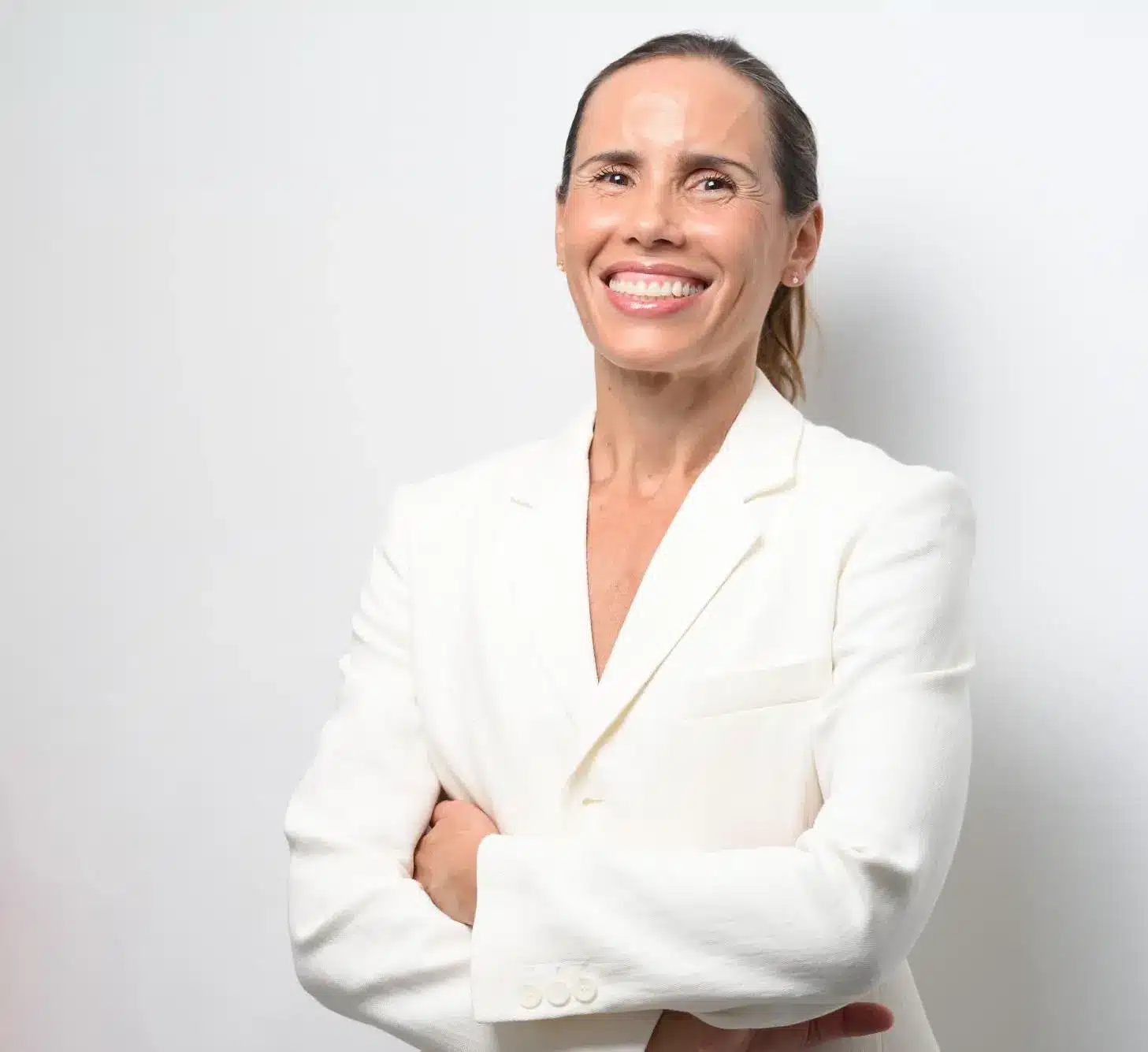
MD, PhD in Molecular Diagnostics (Cum Laude), with over 27 years of clinical practice in precision, regenerative, functional, and integrative medicine. She is Chief Scientific Officer at Longevity.Tech.fund and Chief Medical Officer at HealthyLongevity.clinic.
For investors evaluating a beauty-science longevity clinic business model, this evidence-tier test comes before the term sheet, not after it.
Before investing in beauty science, investors should look beyond the ingredient story. Good science behind an ingredient does not automatically mean the finished product has the same level of clinical evidence.
The Question Behind Every Beauty Science Claim
When reviewing these claims as part of scientific due diligence, three questions matter most: is the evidence on the ingredient, or on the finished formulation at the dose actually sold? Was it tested in people, or only in cells and animals?
The Third Question: Does the Endpoint Matter to the Customer
Is the endpoint something a customer would actually notice, or a marker standing in for one?
Why the Ingredient Story Can Mislead
An ingredient can have genuinely strong published science behind it in isolation. That science says nothing about how the ingredient performs once it is formulated into a finished product, at the specific dose and delivery method actually sold to a customer.
Tested in People vs. Tested in Cells
A meaningful share of beauty science claims are supported by cell or animal studies rather than human trials. That distinction is not a technicality – it determines whether the evidence says anything about how a real customer’s skin or body will actually respond.
When "Promising Science" Isn't "Clinically Proven"
When the answers to those three questions are weak, the honest description of the underlying evidence is promising science, not clinically proven. Those are different claims, and only one of them should appear in marketing language.
Why This Distinction Matters Most Before Capital Is Committed
For investors, family offices, and innovation teams evaluating science-led beauty opportunities, these three questions can be the difference between backing an interesting idea and backing one with genuine clinical support behind it.
Applying This Standard to Longevity-Adjacent Beauty Ventures
The same evidence-tier discipline used to evaluate clinical longevity claims applies directly to beauty science: an ingredient study is not a product claim, and a cell study is not a human outcome. Understanding that distinction before committing capital is the discipline that separates a defensible beauty-longevity venture from one built on borrowed credibility.
Frequently Asked Questions
What's the difference between evidence on an ingredient and evidence on a finished beauty product?
Good science behind an isolated ingredient does not automatically transfer to the finished formulation sold to a customer, at the dose and delivery method actually used – they are different claims requiring different evidence.
What three questions should investors ask before backing a beauty science claim?
Is the evidence on the ingredient or the finished formulation at the dose sold, was it tested in people or only in cells and animals, and is the endpoint something a customer would notice or a marker standing in for one?
Why does it matter whether a claim was tested in people versus cells or animals?
Because it determines whether the evidence says anything about how a real customer’s skin or body will actually respond – cell and animal data does not reliably predict human outcomes.
What does it mean when the honest description of a claim is "promising science" rather than "clinically proven"?
It means the evidence behind the claim is early-stage or indirect, and that distinction should be reflected accurately in how the claim is marketed rather than presented as established clinical proof.
Does this evidence-tier discipline apply outside of pure beauty science deals?
Yes – the same standard used to evaluate clinical longevity claims applies directly to beauty science: an ingredient study is not a finished-product claim, and understanding that distinction is what separates a defensible venture from one built on borrowed credibility.