
Who Owns What Happens After the Test? The Accountability Gap in Longevity Programs
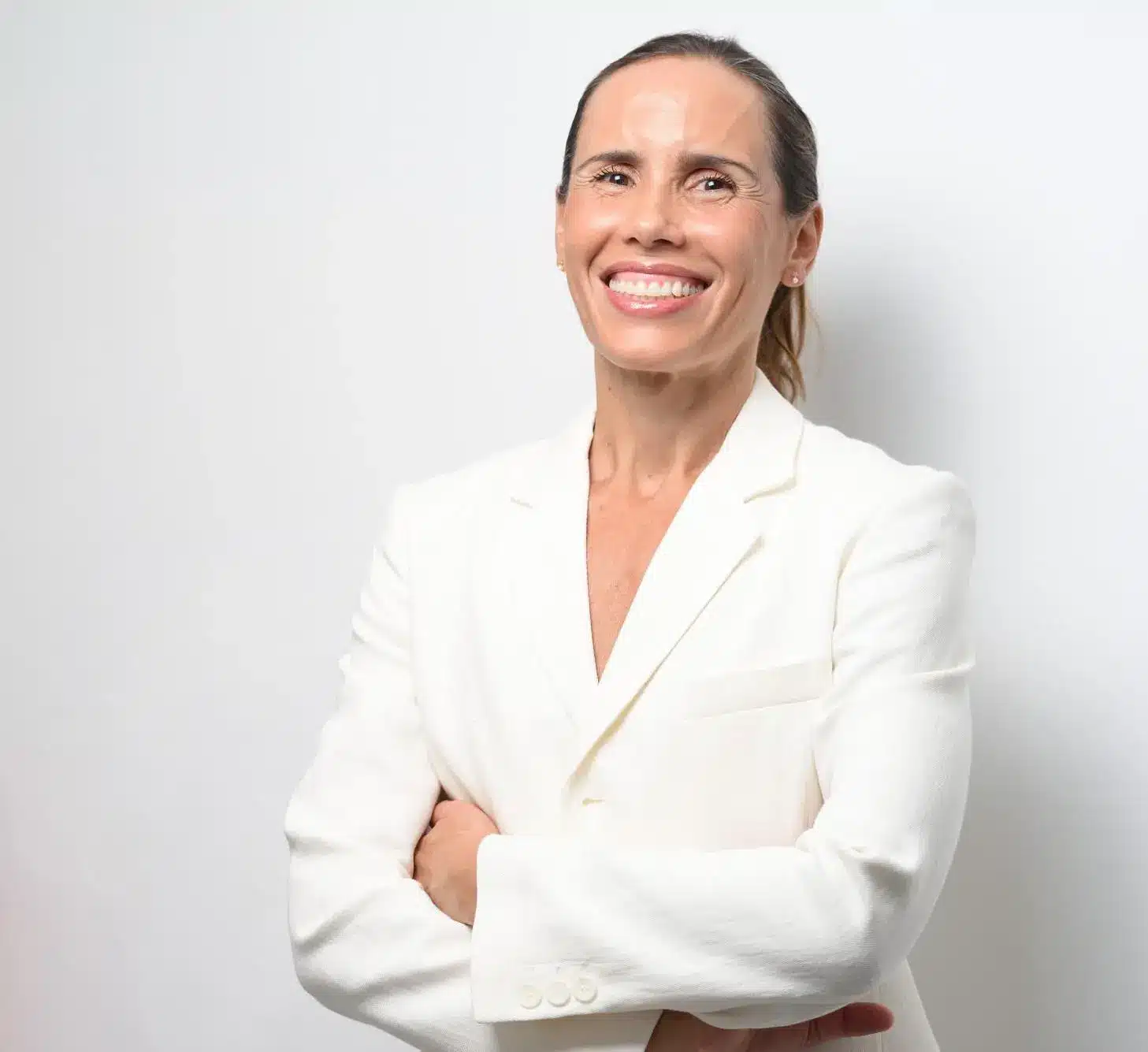
Medical Strategy & Clinical Leadership
MD, PhD in Molecular Diagnostics (Cum Laude), with over 27 years of clinical practice in precision, regenerative, functional, and integrative medicine. She is Chief Scientific Officer at Longevity.Tech.fund and Chief Medical Officer at HealthyLongevity.clinic.
For a hospitality-based longevity clinic business model, this accountability chain is what separates a real health service from a wellness amenity.
A hotel can buy a body scanner, offer guests a smart ring, track their sleep, and add a blood test to a wellness package. That part is easy.
Where the Real Question Begins
The real question begins when the scan finds something unusual, the sleep data looks concerning, or the blood test shows a result the guest was not expecting.
The Four Questions Most Programs Can't Answer
Who explains what an unusual result means? Who decides whether the guest needs further care?
The Referral and the Follow-Up
Who makes the referral? And who checks that the issue does not disappear after the guest checks out?
Why This Stage Is Where Health-Led Hospitality Falls Short
This stage – what happens after an unusual result – is where many health-led hospitality concepts remain incomplete. The technology and the testing are the visible, easy part. The accountability for what comes next is the hard part.
Who Owns the Experience vs. Who Owns the Medical Decision
The property may own the guest experience, but a licensed medical partner must own the medical decisions and what happens next. Without that separation clearly defined and staffed, the programme may look modern and premium, but it is still a collection of tests rather than a complete health service.
Technology Identifies - Accountability Determines Value
Technology can help a hotel identify more issues. Accountability is what helps the guest actually do something useful with what is found. One without the other produces data, not care.
What This Means Before Investing Further in Tests and Technology
For anyone building a longevity experience for a hospitality property, the recommendation is to make sure someone owns what happens next before investing further in tests and technology – since that ownership question, not the device list, determines whether the program is a real health service.
Frequently Asked Questions
What's the real test for a health-led hospitality longevity program?
Not whether a hotel can buy scanners, rings, or blood tests – that’s the easy part. The real test is what happens after a result comes back unusual: who explains it, who decides on further care, and who follows up after the guest checks out.
What four questions reveal whether a hospitality longevity program is complete?
Who explains what an unusual result means, who decides whether the guest needs further care, who makes the referral, and who checks that the issue doesn’t disappear after checkout.
Who should own the medical decisions in a hospitality longevity program - the property or a medical partner?
A licensed medical partner must own the medical decisions and what happens next. The property can own the guest experience, but without a defined medical owner, the program is a collection of tests, not a complete health service.
Is a hospitality longevity program with modern technology automatically a real health service?
No. It can look modern and premium while still being just a collection of tests if there’s no clear accountability for what happens after an unusual result is found.
What should a hospitality operator confirm before investing further in longevity technology?
That someone – specifically a licensed medical partner – owns what happens after a test result, before adding more scanners, wearables, or diagnostics to the program.