
Square Feet or Decades of Service: What Longevity Real Estate Actually Sells
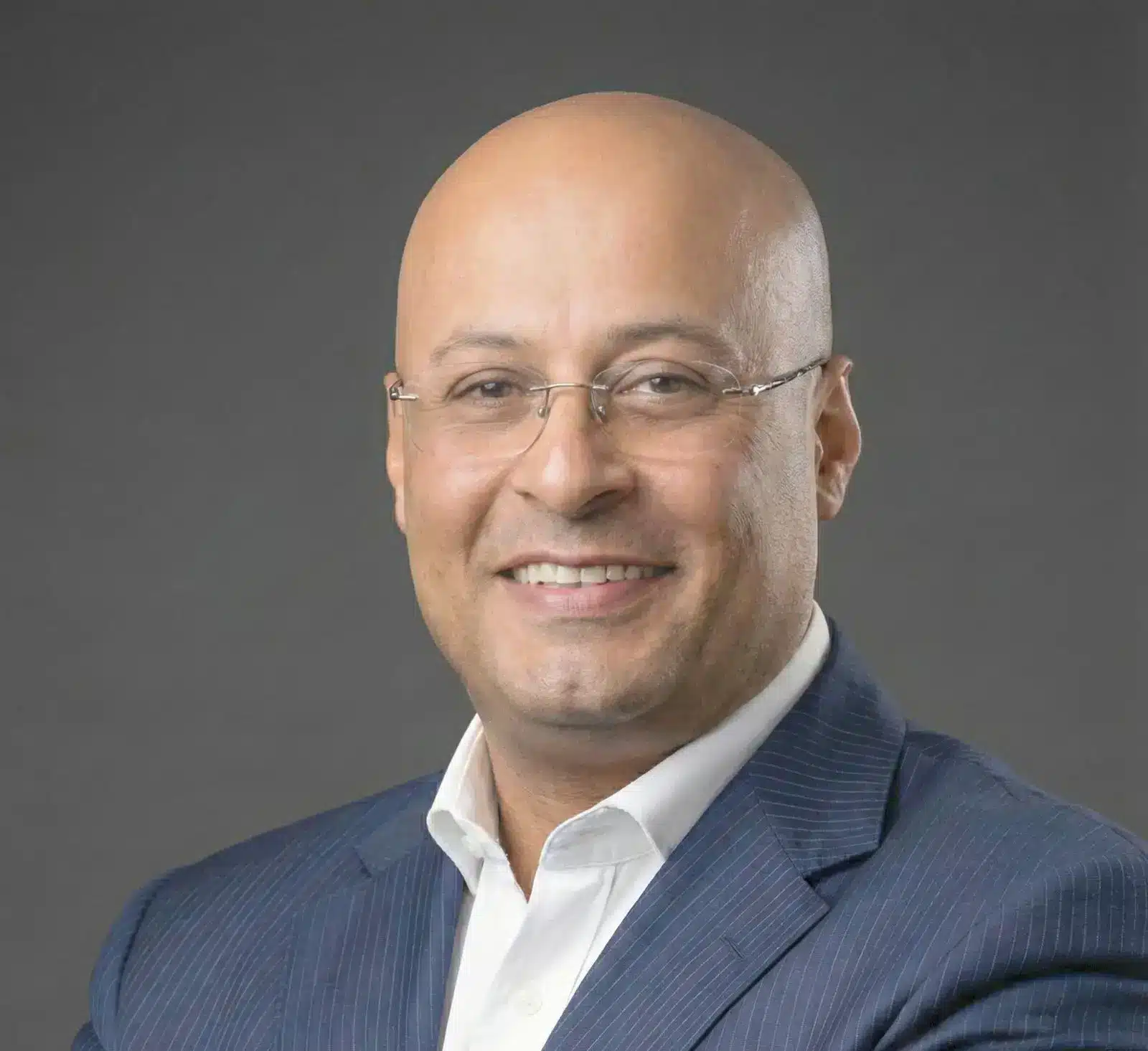
Founder & Managing Partner
Kamal Hassan is the Founder & Managing Partner of TURN8 — the venture operating partner for GCC corporates and sovereign-linked institutions. With 30+ years of experience across the United States, MENA, and Europe, Kamal has built a rare track record at the intersection of corporate innovation, venture capital, and operational execution.
Any developer weighing longevity real estate must first decide what the project sells. The options are square feet or decades of service.
In Miami, longevity is sold by the square foot. In China, one life insurer sells it by the decade. The GCC and MENA will have to choose between these two models, whether or not they name them.
Why the Gulf Developer Is Paying Attention
Dubai is now the largest branded-residence market in the world. Knight Frank counts 175 branded residence schemes in Dubai, 68 live and 107 in the pipeline, against 73 in Miami (The Residence Report 2026-27). Across the Middle East and North Africa, branded residences grew 187% over five years, according to Savills’ 2025/26 report.
Buyer interest in health is visible in local surveys. In a 2023 Knight Frank survey of Saudi nationals, 52% of respondents over 45 rated living near a medical facility as very important. For those under 25, the figure was 26%. Health matters most to older buyers, so developers should not assume every buyer weighs it the same way.
The Miami Model: Sell Longevity Once
New condos in Florida market longevity through in-home wellness equipment and dedicated wellness floors. None of this equipment has been shown to extend human lifespan. The sale rests on the appeal of a longevity amenity, not on proven outcomes.
Buyers pay a premium at the point of sale. Globally, branded residences sell at an average premium of about 33 percent over comparable unbranded units, according to Savills (2025). That premium pays for the brand, not for the health features inside it.
The developer’s income from these amenities comes mostly at sale. Condo associations collect ongoing fees, but nothing in the sale commits the developer to run health services after the last unit closes.
The China Model: Earn Over Many Years
In China, the life insurer Taikang builds senior communities, and at least one includes a rehabilitation hospital. To secure a place, buyers must buy an insurance policy from the company. Reporting in 2025, citing the Wall Street Journal, put the minimum at US$300,000, paid upfront or over ten years, with monthly service fees of about US$2,000 on top. Taikang has reported spending about US$1.7 billion on 12 communities since 2015.
The concession matters. The largest payment is up front, just as in Miami. The difference is what follows: monthly fees and the insurance relationship continue for years. A result is a transaction. A trajectory is a relationship.
Taikang’s income depends on residents staying in the service year after year. That gives the company a reason to care about the quality of the service, not only the sale.
Why Equipment Is Not the Lesson
For developers in the GCC and MENA, the lesson is not more equipment. Competitors copy equipment easily, and it becomes outdated. A long-term service relationship is harder to copy.
A longer list of amenities also does not answer the harder question. Someone has to run the health services after the last unit sells, and that someone needs a reason to keep running them.
The Two Questions That Decide the Promise
Who manages the health services after the last unit is sold? Who earns from them? These two answers decide whether the developer keeps the promise made in the brochure.
The answers also shape the design. Clinical decisions sit with a licensed clinical partner. The commercial model must show who answers for the service. A developer that plans for decades of service needs clinical partners, a revenue model and a governance structure before the first buyer signs.
How a Developer Can Test Which Model Fits
Start with three checks before the masterplan hardens. First, name who will hold the clinical license once the last unit sells. Second, state what a resident will pay each year, in plain numbers. Third, confirm that the operating partner can stay for a decade.
If any answer is missing, the project is selling square feet with health language on top. Close the gap before the sales launch, not after.
What This Means for Investors in Branded Residences
A clinical promise capitalized into a building before an operating company exists is the risk to watch. Investors who back branded residences should ask the same questions. A project that earns only at handover carries no ongoing health income. A project with a clear annual health revenue line gives investors something to measure after the sale.
Long-term operators have a reason to keep residents engaged, because they earn while residents keep using the service. That gives them grounds to fund follow-up, staff and data.
Square Feet Are Sold Once. Service Is Delivered Every Year.
Square feet are sold once. Service has to be delivered every year. The right question for a GCC or MENA developer is not which equipment to install, but which business model the community will carry.
Key Takeaways
Longevity real estate has two paths. The first sells health features once, at the point of sale. The second earns from health services over many years. The second path needs a clinical owner and a revenue model that lasts. Developers should settle both before the masterplan hardens. Equipment alone cannot carry the promise. People and a business model must carry it.
Frequently Asked Questions
What is the difference between selling longevity by the square foot and by the decade?
Selling by the square foot means collecting a premium at the point of sale. Selling by the decade means earning from health services, insurance and care over many years.
How big is the branded-residence opportunity in the Gulf?
Dubai has 175 branded residence schemes (68 live, 107 in the pipeline), against 73 in Miami, according to Knight Frank’s Residence Report 2026-27. Across the Middle East and North Africa, branded residences grew 187% over five years, according to Savills.
What does the Taikang model show real estate developers?
Taikang builds senior communities, some with a rehabilitation hospital. Buyers buy its insurance to secure a place. The company earns from the insurance, the residence and the service over time, so its income depends on residents staying in the service year after year.
Why is equipment a weak foundation for a longevity community?
Competitors copy equipment easily, and it becomes outdated. Who manages and earns from the health services after the last unit sells matters far more.
Do buyers in Saudi Arabia value healthcare when choosing a home?
Some do, and the pattern depends on age. In a 2023 Knight Frank survey, 52% of Saudi nationals over 45 rated living near a medical facility as very important, against 26% of those under 25.