
Building a Longevity Business That Pays for Itself: The Multi-Customer Model
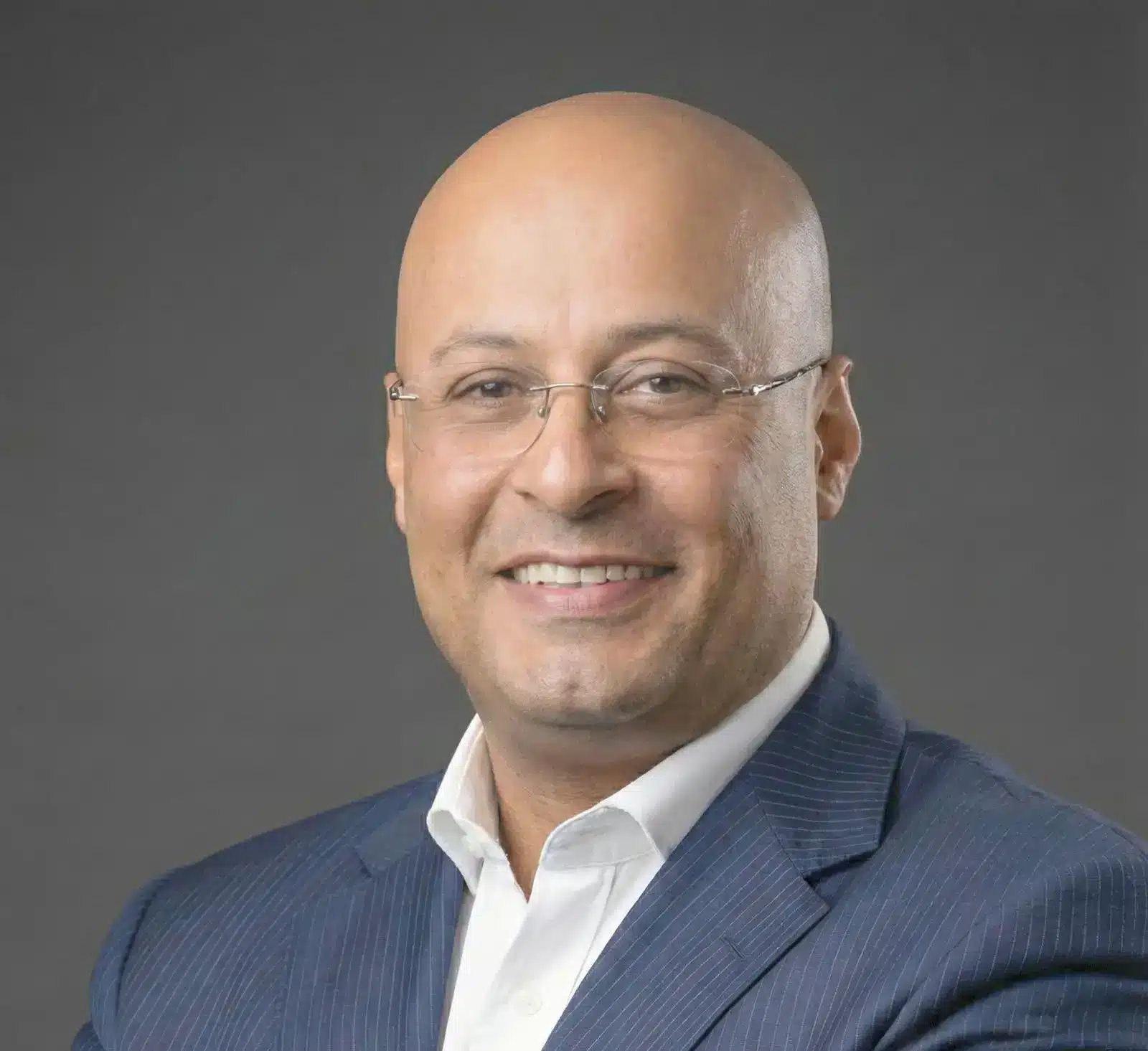
Founder & Managing Partner
Kamal Hassan is the Founder & Managing Partner of TURN8 — the venture operating partner for GCC corporates and sovereign-linked institutions. With 30+ years of experience across the United States, MENA, and Europe, Kamal has built a rare track record at the intersection of corporate innovation, venture capital, and operational execution.
Most longevity ventures that fail to raise money fail for the same reason. They have one customer, one budget, and one annual renewal conversation standing between them and zero revenue. For anyone modeling a longevity business, the multi-customer structure below is usually what separates a fundable plan from one that never gets financed.
What Saudi Arabia’s PIF Actually Did
Three decisions this year are worth reading together.
In April, the Public Investment Fund agreed to sell 70 percent of Al-Hilal Club Company to Kingdom Holding for SAR 840 million, on an enterprise value of SAR 1.4 billion. The sale completed on 1 September. PIF kept 30 percent and holds about 17 percent of the buyer, so this was a sell-down rather than an exit. It also followed a planned sequence. Two weeks before completion, the Ministry of Sport transferred the nonprofit foundations’ 25 percent holdings in the four largest clubs to PIF. The fund took Al-Hilal to full ownership, then sold most of it. PIF described the move as maximizing returns and redeploying capital.
At the end of April, PIF confirmed it would fund LIV Golf only for the remainder of the 2026 season, stating that the investment required over a longer term was no longer consistent with the current phase of its investment strategy.
In July, SURJ Sports Investment, a PIF company, launched radia with Live Nation and Oak View Group. radia is a venue services platform covering the full lifecycle of Saudi stadiums, arenas and sports precincts: design review, operational planning, development oversight, operations and commercialization.
The Pattern, Stated Carefully
radia is two months old and has returned nothing yet, so this is a read on design intent rather than on results. The intent is legible all the same.
Al-Hilal is a fine business by the standards of its category. It reported revenue of SAR 1.27 billion for the 2024 to 2025 season and a profit of SAR 37.8 million, a margin near 3 percent, on accounts that exclude player acquisition costs and that count donations as a material income line. LIV Golf ran on a single check and ran out when the check stopped. radia is built to earn fees from many venues, many promoters and many events, with no player contracts underneath it.
Asset-heavy, thin-margin, single-sponsor structures got sold down or wound down. A fee-earning platform with many counterparties got built.
Why This Is the Test Being Applied Right Now
Capital in the Gulf watches what that fund does and reads new proposals against it. Whatever the specific motives in each case, the visible pattern is that structures which recycle capital get backed and structures which consume it get restructured. Anyone raising for a sports or health venture in this region is being read against that pattern whether or not the reading is fair.
Most Athlete Health Plans Fail It
The typical athlete health proposal has one payer, a budget agreed once a year, and nothing coming back into the business. It sits inside the performance department as a cost line. Its mandate ends with the season and its data resets when a player transfers. That is not a business. It is an expense with a clinical wrapper.
What a Fundable Structure Looks Like
Start with two structural conditions.
- It is a separately incorporated company with its own accounts, board and profit and loss, not a department inside the institution.
- It has named clinical authority. A Medical Director holds final say over protocol and evidence tier, and delivery runs through a licensed clinical partner rather than an employment arrangement that may not be lawful in the jurisdiction.
Then it needs more than one paying customer.
- The institution, buying availability. A five percent gain in squad availability means more minutes played and better protection of the most expensive assets on the payroll.
- Supporters, paying monthly for a program designed around their own risk profile. Not the squad panel resold to the public. A test battery built for professional athletes in their twenties, applied to a general population, produces flagged results, investigations and anxiety without a health gain. The commercial line is real. The clinical design has to be its own.
- Corporate buyers, purchasing staff health programs. This one is named separately on purpose, because corporates buy avoided cost rather than membership. Different proof burden, different sales cycle, and it should be underwritten on its own terms rather than blended into the membership case.
- A former-athlete product, turning a duty-of-care obligation into a recurring revenue line.
A consented research pathway sits behind all of this, and it belongs on the roadmap rather than in year-one revenue. A longitudinal health record is special category personal data. Research use requires separate, granular and revocable consent, and the rights sit with the individual rather than with the club. In football specifically, player data rights are already being organized at union level. Anyone modeling research licensing as early revenue has not read the consent architecture.
Same Doctors, Same Rooms, Different Economics
None of this requires different clinical delivery. Same clinicians, same rooms, same governance, same evidence tiers. What changes is whether the venture earns from several directions or waits each year for one budget holder to renew.
The Test Applies Outside Sport
Nothing here is specific to a football club. A hotel group, a hospital, a master developer or a family office building a longevity venture around a single payer and an annual budget carries the same fragility. The question a financier asks is not whether the medicine is good. It is where the second customer comes from, and whether anyone has priced it.
Frequently Asked Questions
What do the Al-Hilal sale and the radia launch illustrate about longevity business models?
They illustrate a preference. PIF sold down an asset-heavy club with a thin margin and backed a fee-earning venue services venture with many counterparties. The same preference separates longevity ventures that get financed from those that do not. Note that PIF retained 30 percent of Al-Hilal and simultaneously increased its holdings in three other clubs, so this is a capital recycling pattern rather than a retreat from sport.
Why do most athlete health plans fail to attract investment?
Because they depend on one payer and a budget agreed once a year, with no revenue returning to the business, and because they sit inside a department whose mandate ends with the season.
What makes a longevity business model fundable?
Separate incorporation with its own accounts, named clinical authority through a licensed clinical partner, and more than one paying customer. For a sports institution that usually means the institution itself, a supporter membership, corporate buyers and a former-athlete product, each underwritten on its own economics.
Can a club sell athlete health data to researchers as a revenue line?
Not as a day-one revenue line. A longitudinal health record is special category personal data, research use requires separate, granular and revocable consent, and the rights sit with the individual. In professional football, player data rights are already being organized collectively. Treat research access as a roadmap item built on consent architecture, not as early revenue.
Does a fundable longevity business need different clinical delivery than a single-payer model?
No. The clinical delivery can stay the same. What changes is the revenue structure. The one exception is panel design: a program sold to a general population has to be built for that population rather than inherited from an athlete protocol.
Does the multi-customer model apply only to sports?
No. Any longevity venture built around a single payer and an annual budget carries the same fragility, in hospitality, hospitals, real estate or corporate settings alike.
Sources
- PIF press release and Tadawul disclosure, 16 April 2026, and completion reporting, 1 September 2026: 70 percent of Al-Hilal Club Company to Kingdom Holding for SAR 840 million on an enterprise value of SAR 1.4 billion, PIF retaining 30 percent.
- Saudi Ministry of Sport statement, 19 August 2026: transfer of nonprofit foundations’ 25 percent stakes in Al-Ittihad, Al-Ahli, Al-Hilal and Al-Nassr to PIF.
- Al Hilal Club Company results for the 2024 to 2025 season: revenue approximately SAR 1.27 billion, up 17 percent, profit approximately SAR 37.8 million, up 13 percent.
- PIF statement, 30 April 2026, on funding LIV Golf only for the remainder of the 2026 season.
- SURJ Sports Investment, Live Nation and Oak View Group announcement, 16 July 2026, launching radia.